How Long Do Cut Tree Roots Last?
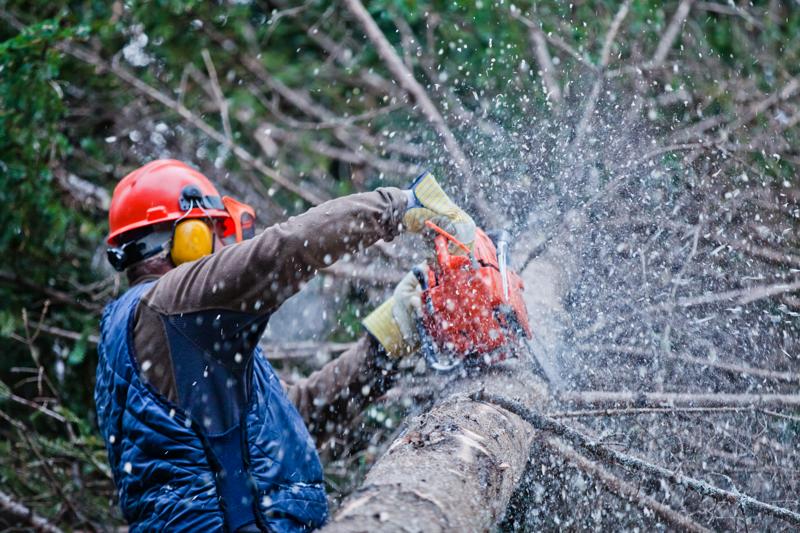
Tree removal is an essential task for many property owners, but it’s not as simple as cutting off the branch and allowing the roots to decay. Knowing the life span of the tree’s roots is essential for ensuring that the removal process is done correctly and safely. In this article, we’ll look at the time that tree roots live after a tree has been removed and address many of the frequently-asked questions about this topic.
How long do tree roots live after cutting down?
The time span for the roots of a tree after it has been cut down can vary greatly depending on the type that the tree is, as well as the length of the roots, as well as the environment conditions. It is generally reasonable to believe that tree roots will continue to live for many years after a tree is removed. The reason for this is that the roots are capable of absorbing moisture and nutrients from soil, even after the tree is removed.
The factors that determine the longevity of Tree Roots
There are a variety of factors that can affect the length of time that tree roots last after a tree is removed. A few of them are the species of trees There are certain species of trees that have roots that are more robust and more durable than other species. For example oak tree roots have been observed to live for many decades after the tree is removed. Size of roots The more extensive the roots of a tree are, the longer they will likely last after the tree has been taken down. The reason for this is that larger roots are more able to absorb moisture and nutrients out of the soil. Conditions in the soil: The type, temperature, as well as the level of moisture in the area that the tree was removed can affect the life span of the roots. When the soil becomes dry, compacted and degraded the roots are likely to decompose more rapidly. In the case of soil that is moist and well-drained, it will be longer lasting for the roots.
What happens to tree Roots After cutting them down?
If trees are cut down, the roots will slowly start to break down. The process could take several years, depending on the factors that were discussed earlier. During this time the roots gradually release nutrients back into the soil which could be beneficial for other plants in the area. When the roots are fully decomposed, they will not pose a risk to structures or landscapes around them.
FAQs:
Are tree roots able to grow again after being cut down?
Tree roots are not able to regrow after a tree has been cut down. Once the roots have been removed, they will slowly begin to break down and not be able to regrowing.
Are tree roots able to continue to expand after cutting them down?
The roots of trees won’t remain growing after a tree is cut down. However, they’ll be around for several years because they’re still capable taking in nutrients and moisture out of the earth.
Will tree roots continue to grow after cutting down?
It is not true that tree roots aren’t going to continue spreading after a tree is removed. Once the tree has been removed, the tree’s roots are slowly beginning to break down and cease to pose a threat to surrounding structures or landscapes.
Conclusion:
In the end, the life span of the tree’s roots after the tree has been removed can be a lot according to a number of variables. Understanding the length of time the tree’s roots can last is crucial for ensuring that the tree removal process is done properly and safely. If you have a tree that needs removal, it is always best to hire an experienced The Hills Tree Trimming arborist to carry the task. Our highly skilled and knowledgeable arborists have the necessary equipment and experience to safely and effectively remove trees and address any concerns regarding the longevity that the tree’s roots. Contact us today by phone at 0480 024 203 to schedule a consultation and find out how we can help you remove trees in The Hills Shire. Do not risk damaging your property or putting yourself in danger when you attempt to remove a tree your own. Let the experts at The Hills Tree Trimming handle all of the tree removal requirements.